

Floor Preparation

Why is floor preparation important?

Floor preparation is an essential step in preparing a subfloor for new flooring.

It ensures that the surface is flat and even, which is necessary for not only the overall appearance, but also to achieve a more durable floor.

In recent years, wood and tile flooring have become larger, longer, and thicker. This has made it more important to have a flat and level subfloor.

Flooring installers must install wood, engineered hardwood, laminate, and tile flooring on a flat surface. If the subfloor is uneven, it will force the wood planks to bend and change shape, which can cause them to warp, split, separate, develop bumps in high areas, and become soft and spongy in low areas. Tiles will not line up edge-to-edge and may crack. Additionally, the baseboards will have gaps at the bottom if the subfloor is not level.

All hardwood floor manufacturers require that the subfloor be flat within 3 mm per 3 metres tolerance. This means that the subfloor must be smooth and free of bumps and dips, or it may void the manufacturer’s warranty if you make a claim for defects.

Here are some of the benefits of floor preparation:

  • Improved quality, durability, and safety
  • Extended lifespan
  • Enhanced appearance

How is floor preparation done?

The specific floor preparation process will vary depending on your subfloor type. However, the general steps are as follows:

Inspect the floor: Use a laser level to determine the high and low spots on the floor.

Prepare the surface: Clean the floor and remove any debris. If necessary, patch any holes or cracks.

Apply a primer: This will help the levelling compound to adhere to the subfloor.

Pour the levelling compound: Start at the highest point and pour the levelling compound into a thin layer. Use a screed machine to spread the compound evenly.

Allow the compound to dry: The drying time will vary depending on the type of levelling compound you use. Once the compound is dry, you can install your new flooring.

Floor Grinding

Floor grinding is a process commonly used in construction and renovation projects to improve the appearance and functionality of floors. The primary method involves using abrasive tools to remove uneven surfaces or coatings from a concrete or stone floor. Here are several benefits of floor grinding:

Surface Leveling: Floor grinding is effective in eliminating imperfections such as bumps, uneven surfaces, and rough spots on the floor. This results in a smoother and more even surface, which is important for applications where a level floor is essential, such as in industrial settings or for the installation of floor coverings.

Enhanced Durability: Grinding can improve the durability of the floor by exposing the underlying, denser layers of concrete or stone. This often results in a harder and more abrasion-resistant surface, reducing wear and tear over time.

Surface Preparation: Floor grinding is crucial for preparing surfaces for the application of various coatings, adhesives, or toppings. It ensures better adhesion and longevity of the applied materials.

Cost-Effective Alternative: In many cases, floor grinding provides a cost-effective alternative to completely replacing a floor. It allows for the restoration of existing surfaces, saving both time and money compared to the installation of a new floor.

In summary, floor grinding offers a multitude of benefits, including improved surface quality, enhanced durability, and cost-effectiveness. Whether used for industrial, commercial, or residential purposes, this process plays a crucial role in achieving functional and aesthetically pleasing floors.

Floor Levelling

Floor Levelling, also known as floor screeding, involves the application of a smooth, even layer of material to the existing floor surface to create a flat and level base. This process offers several benefits in various applications, depending on the type of flooring and the specific requirements of the space. Here are some of the key benefits of floor leveling:

Improved Aesthetics: Leveling the floor creates a smooth and even surface, providing a visually appealing and professional finish. This is important for spaces where aesthetics matter, such as residential areas, offices, and commercial establishments.

Enhanced Flooring Installation: Many types of flooring materials, such as resilient floor linings, floating floors, and tiles, require a level surface for proper installation. Floor leveling ensures that the substrate is even, reducing the risk of uneven flooring and potential issues like cracked tiles or warped wood.

Increased Durability: A level floor helps distribute the load evenly across the surface, preventing localised pressure points. This can contribute to the longevity and durability of the flooring material, reducing the likelihood of wear and tear over time.

Ease of Maintenance: Cleaning and maintaining a level floor is easier than dealing with uneven surfaces. Furniture placement, vacuuming, and general cleaning become more straightforward when the floor is flat.

In summary, floor leveling is a crucial step in many construction and renovation projects, providing a stable and even foundation for various types of flooring while offering aesthetic, and functional advantages.

Our Work

Cabana Residences

Cabana Residences

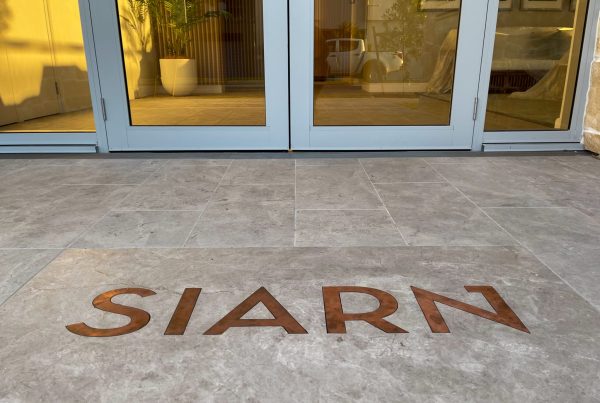
Siarn – Beachfront Residences

Siarn – Beachfront Residences

Essentia – Waterfront Apartments

Essentia – Waterfront Apartments

See Our Projects